
Let me tell you something. Every year at the start of December, my Facebook feed fills up with photos from Hungary. Shiny boots on windowsills. Little red chocolate Mikulás figures. Kids grinning like they have won the lottery.
And every year I think the same thing. My son is growing up in England, and this is exactly the kind of thing I do not want him to miss.
What is Mikulás?
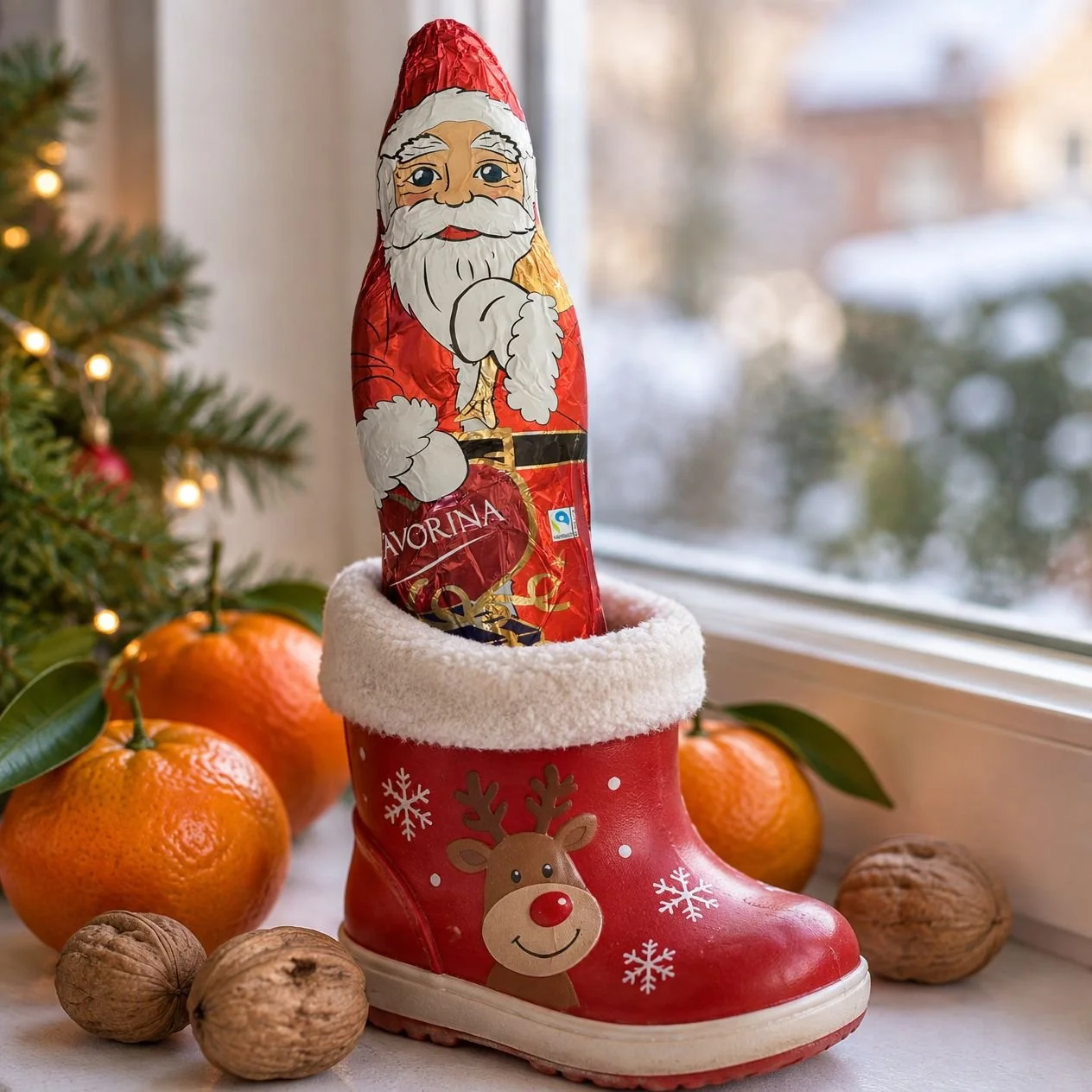
In Hungary, Mikulás (St Nicholas) comes on the night of 5 December. Children clean their boots until they shine, and yes, properly clean, that is part of the deal. Then they put them on the windowsill and go to bed.
On the morning of 6 December the boots are full of chocolate, satsumas, nuts and sweets.
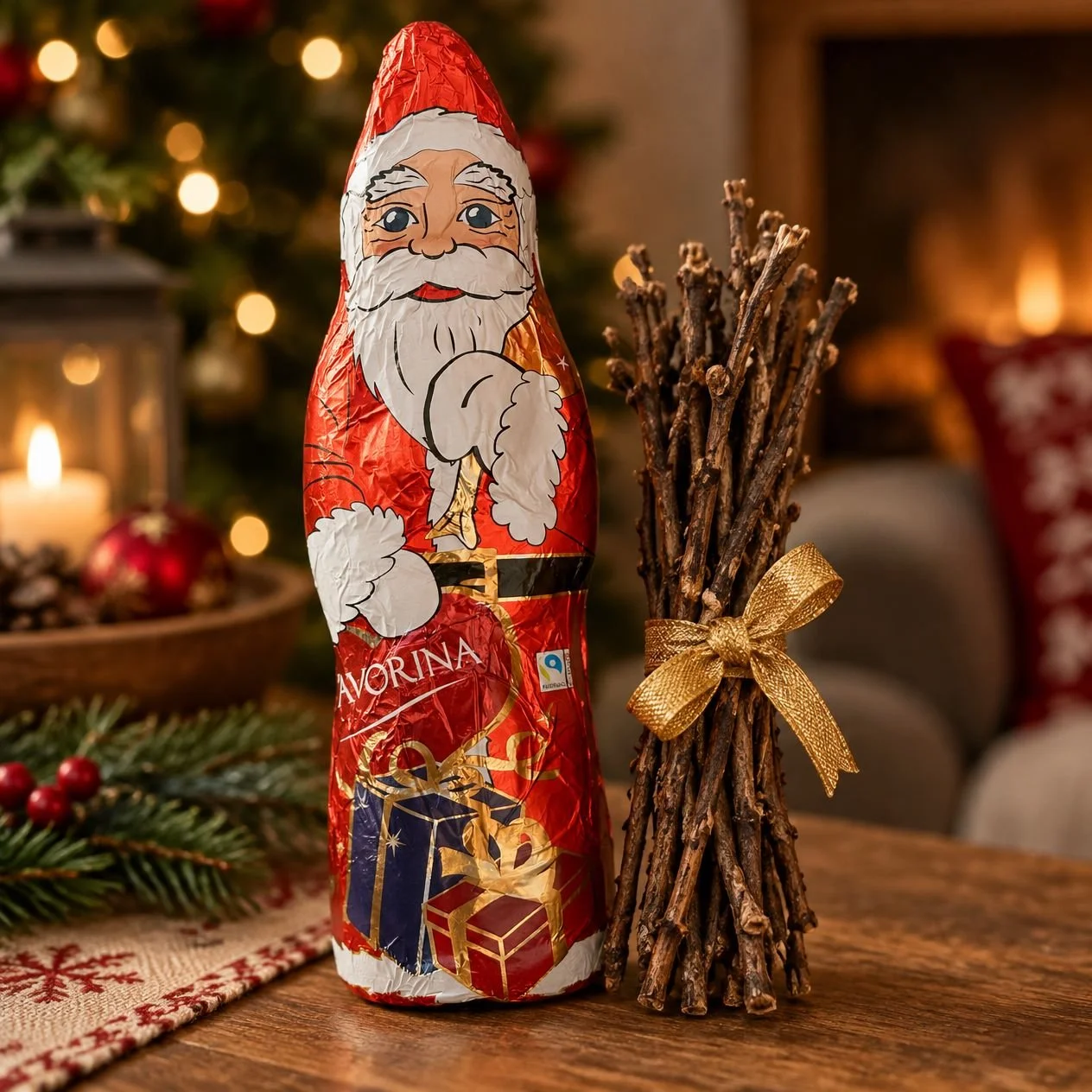
There is a little twist. Next to the treats there is usually a virgács, a small bundle of twigs, often painted gold. It is a cheeky reminder that Mikulás knows who has been naughty. Most children get one anyway, because let us be honest, nobody is good all year.
It is not the same as Father Christmas
Here in the UK, Father Christmas does the big job on Christmas Eve night. In Hungary, Mikulás has his own day, and the Christmas presents come later from Jézuska (little Jesus) on 24 December.
So Hungarian children get two magical moments in one month. Not a bad deal at all.
How we do it in our house
So I will be honest with you. We do not do a big production.
My son is a teenager now and he does not speak Hungarian. He practises regularly on Duolingo, and before we visit Hungary he gets his phrases ready to use in the shops. He is quite proud of himself when it works, and so am I.
Our Mikulás is simple: chocolate, and a chat about how it is done back home. The boots in the window, the golden twigs, the whole lot. He rolls his eyes a little. He also eats all the chocolate. I call that a win.
Small is fine. A tradition does not have to be perfect to count. It just has to keep happening.
6 easy ways to celebrate Mikulás abroad
1. Boots on the windowsill on 5 December. Let the kids clean them first. Bonus: clean boots.
2. Find a chocolate Mikulás. Polish and Eastern European shops in the UK often have them, or any chocolate Santa will do.
3. Make a little virgács. A few twigs from the garden, a bit of ribbon, a dab of gold paint.
4. Learn four words together. Mikulás, csizma (boot), csoki (chocolate), ablak (window). Stick them on the fridge.
5. Sing a Mikulás song. "Hull a pelyhes fehér hó" is the one every Hungarian child knows.
6. Video call Nagyi. Let the kids show off their boots to the grandparents.
Why the little things matter
When you live abroad, English wins everything. School, friends, telly, YouTube. Hungarian becomes the language of home, of Nagyi, of food. Little traditions like Mikulás give our children a reason to care about the words.
They are not just learning vocabulary. They are learning where they come from.
That is exactly why I am making a printed Hungarian workbook for little ones. Ten everyday topics, simple words and colourful pages, made for families like ours.
Not sure yet? Try my free Animals and Numbers worksheets first. They are yours to download and print at home.
When you are ready, the workbook is £9.99 at the early bird price (full price £12.99).
And here is a little secret: join my newsletter and you get it for just £6.99.
We do not have to live in Hungary to keep a little bit of Hungary at home.